Sea freight is our preferred choice for shipments where speed is not a primary concern. This mode of transport offers several advantages, including:
Affordability: Sea freight is typically more cost-efficient than air freight, especially for large or heavy consignments. The lower cost per unit makes it an ideal option for businesses aiming to reduce transportation expenses.
Ideal for Bulk Shipments: Sea freight is well-suited for moving large volumes of goods. Shipping containers can hold substantial quantities, making it a practical solution for businesses managing bulk orders.
Versatile Shipping Options: With sea freight, businesses can choose between Full Container Load (FCL) for exclusive container use or Less than Container Load (LCL) for shared container space. These options provide flexibility to meet diverse shipping needs.
Air freight is the best option for customers who prioritize speed and need their goods delivered as quickly as possible. However, it is typically the most expensive method of transportation. The key advantages of air freight include:
Fast Transit Times: Air freight is the quickest way to transport goods, making it ideal for urgent shipments. Deliveries can be completed in hours or days, significantly faster than sea or ground transport.
Dependability: With regular and well-scheduled flights, air freight offers a high level of reliability. This consistency is vital for businesses requiring timely deliveries to maintain smooth operations and meet critical deadlines.
Suitable for High-Value Goods: Air freight is a practical choice for lightweight, high-value products. Despite the higher per-kilogram cost, the speed and efficiency of delivery often make it a cost-effective solution for these types of shipments.


Rail freight offers several benefits, although its use may be limited by infrastructure challenges, the condition of rail networks, and geographical obstacles such as oceans. When feasible, rail freight provides the following advantages:
Cost-Efficiency for Long Distances: Rail transport is often more affordable than air freight and can rival road transport in cost-effectiveness, especially for long-haul shipments. It is a reliable choice for transporting large volumes of goods over extended distances.
Lower Environmental Impact: Compared to air or road transport, rail freight is a more environmentally friendly option. Trains are typically more fuel-efficient on a per-ton basis, helping to reduce carbon emissions and support sustainable logistics.
Government Investment and Support: In many areas, governments prioritize and invest in railway infrastructure, enhancing its appeal for businesses. These investments can lead to improved service, better connectivity, and more competitive pricing for rail freight.
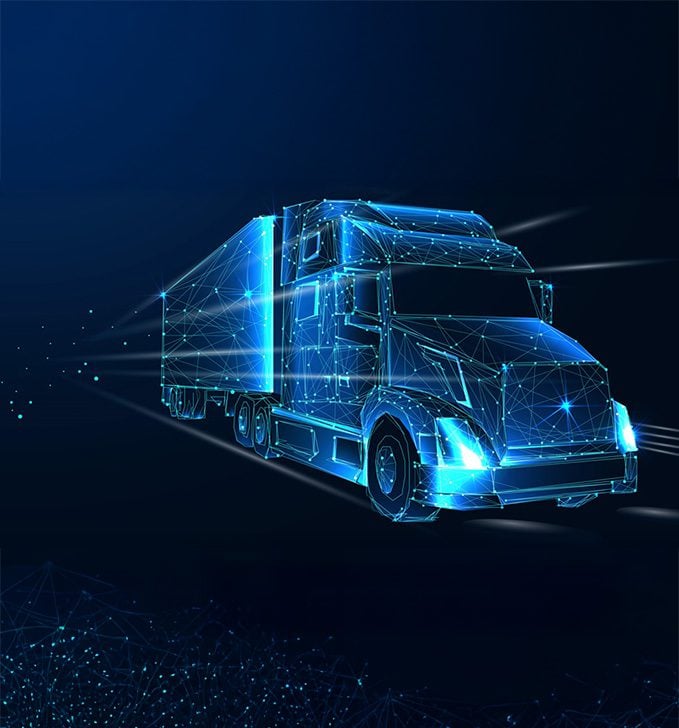
Road freight, which involves transporting goods via trucks and lorries on road networks, is a widely used option due to its numerous advantages. Key benefits include:
Direct Door-to-Door Delivery: Road freight offers direct delivery from origin to destination, eliminating the need for additional transport modes. This simplifies logistics and ensures a smooth process, particularly for shipments requiring multiple stops or precise delivery points.
Extensive Connectivity: Well-established road networks in many areas provide broad coverage, allowing efficient transportation and access to even remote locations.
Cost Efficiency Through Economies of Scale: The ability to use larger vehicles and consolidate shipments helps reduce costs, making road freight a cost-effective solution for businesses with regular or large transportation needs.
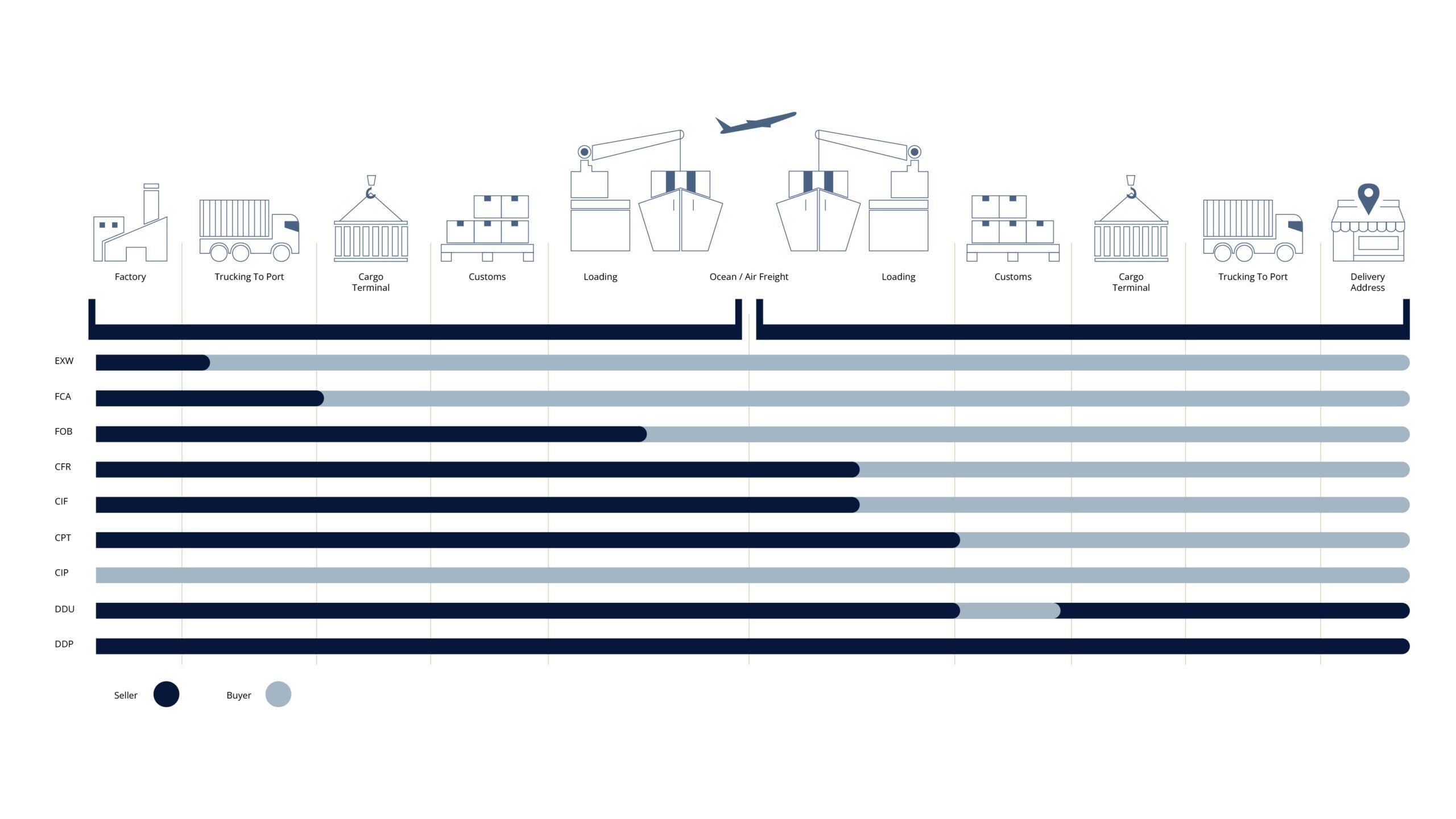
Seller makes goods available, buyer handles all transportation and risks.
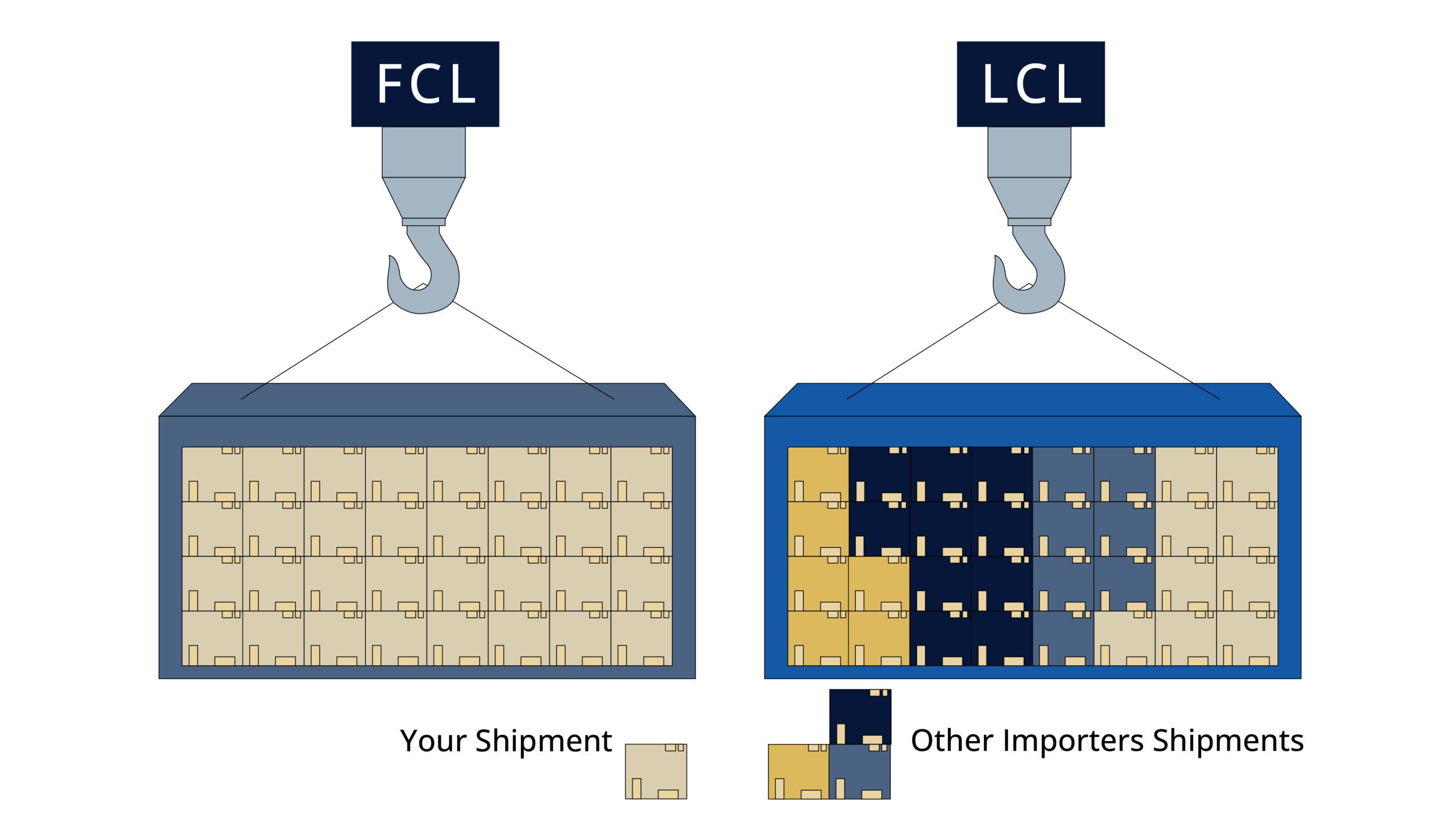
Full container load (customers own container)
FCL is the best option in terms of cost, timing and security. Your container will be used for your goods only and will generally remain sealed and closed from the time it leaves our warehouse until arrival at the destination.
20ft container usable space: 28CBM 40ft container usable space: 56CBM 40ft high cube usable space: 64CBM
Less than container load (Customer shares with an unknown party, decided by the shipping company)
If you have lower volumes this is the best option. Here your goods will be consolidated with other unknown parties to fill a container and as a result save you money. This option can generally take longer as the shipping company will need time to consolidate your goods with other parties. Here you will only pay for the space of your goods.